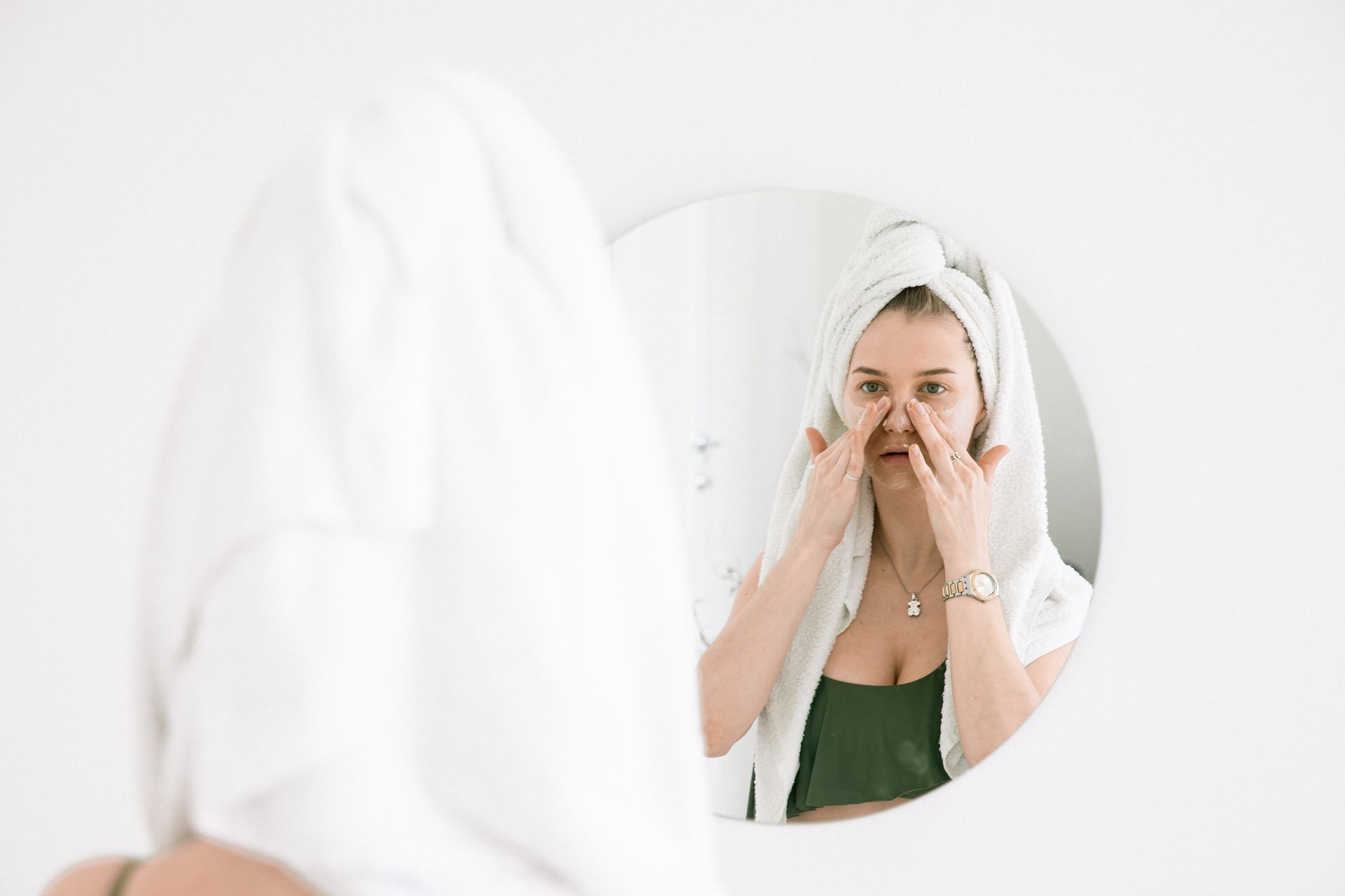
The 10 simple beauty tips everyone should know aren't secrets buried in a luxury magazine. They're foundational habits, small tweaks, and honest product truths that hold up whether you own two products or forty. Most people skip them because they sound obvious. That's the trap. The obvious ones work best.
1. SPF is the only anti-ageing product that's proven
Sunscreen applied daily does more to slow visible ageing than any serum, retinol, or vitamin C product on the market. UV exposure causes the collagen breakdown that leads to fine lines, uneven texture, and dark spots. SPF 30 or higher, worn every morning including indoors near windows, is non-negotiable. Apply it as the last step of your skincare routine, before makeup.
2. Double cleansing actually matters if you wear makeup or SPF
A single rinse with micellar water or a foaming cleanser won't fully remove an oil-based sunscreen or a long-wear foundation. Double cleansing means starting with an oil cleanser or balm to dissolve the product, then following with a water-based cleanser to clear the skin. It takes 90 extra seconds. Breakouts caused by residual sunscreen are far more expensive to treat.
3. Hydration and moisturiser are two different things
Hydration draws water into the skin. Moisturiser seals it there. Hyaluronic acid is a hydrator. Ceramide creams and face oils are moisturisers. Using one without the other means you're doing half the job. Apply your hydrating serum to damp skin immediately after cleansing, then lock it in with a moisturiser within 60 seconds before water evaporates from the surface.
4. Your neck and décolletage age faster than your face
The skin on your neck is thinner and produces less oil than facial skin. Most people apply their entire skincare routine from the hairline down to the jaw and stop there. Take everything, including SPF, retinol, and your moisturiser, down to your chest. The results take months to notice and years to wish you'd started sooner.
5. Less foundation, more skin prep
Cakey foundation almost always traces back to uneven texture underneath, not to the formula itself. Exfoliate gently 2 to 3 times per week, and make sure skin is well-moisturised before you apply any base. A well-prepped skin needs a fraction of the coverage and holds makeup for longer. Primer helps, but it can't substitute for the prep work.
6. Skincare layering order changes how well products work
Products absorb best when layered from thinnest to thickest consistency. The correct sequence is: cleanser, toner (if you use one), serums, eye cream, moisturiser, SPF. Applying a thick cream before a serum creates a physical barrier that blocks absorption. This is one of the reasons a routine can feel expensive but underperform. The order matters more than most people realise.
7. Cold water for rinsing, not hot
Hot water strips the skin's natural lipid barrier, leaving skin tight, red, and prone to sensitivity. Wash your face with lukewarm water and finish with a cool rinse. It tightens pores temporarily and calms any redness from cleansing. It costs nothing and takes no extra time.
8. A good scent is part of how you present yourself
Fragrance is the detail most people notice first and remember longest. You don't need a complicated collection. One well-chosen scent, applied to pulse points at the wrists, inner elbows, and neck, is enough. The same instinct that makes you reach for a particular candle at home, something like the grounding warmth of sandalwood and cedar or the clean brightness of bergamot, translates directly into personal fragrance choices. Knowing what you're drawn to in one context tells you a great deal about what will work on your skin.
9. Sleep and water do the things products try to replicate
Collagen production peaks during deep sleep. Lymphatic drainage, which reduces morning puffiness, happens overnight. Dehydration shows in the skin as dullness, exaggerated fine lines, and a greyish tone that no highlighter fully fixes. Eight hours and two litres of water sound boring as beauty advice. They work better than most serums at a fraction of the price.
10. Know your undertone before you buy foundation or lipstick
Undertone is the warm, cool, or neutral quality sitting beneath the surface of your skin. It doesn't change with the seasons the way your actual skin tone does. Warm undertones suit golden, peachy, and bronze shades. Cool undertones look better with pink, berry, and true red tones. Neutral undertones can wear both. Check the inside of your wrist in natural light: green veins point to warm, blue or purple veins point to cool. Getting this right is the difference between a foundation that disappears into your skin and one that sits on top of it.
One more thing: consistency beats complexity
A 3-step routine done every morning and night outperforms a 12-step routine done erratically. Skin responds to consistency. Pick the habits that fit your actual schedule, not your aspirational one. The beauty tips that stick are the ones you'll repeat tomorrow, and the day after, without thinking about it. Much like pairing a scent you love with a room, whether that's the sweetness of vanilla and amber or something sharper, the ritual itself is where the benefit lives.