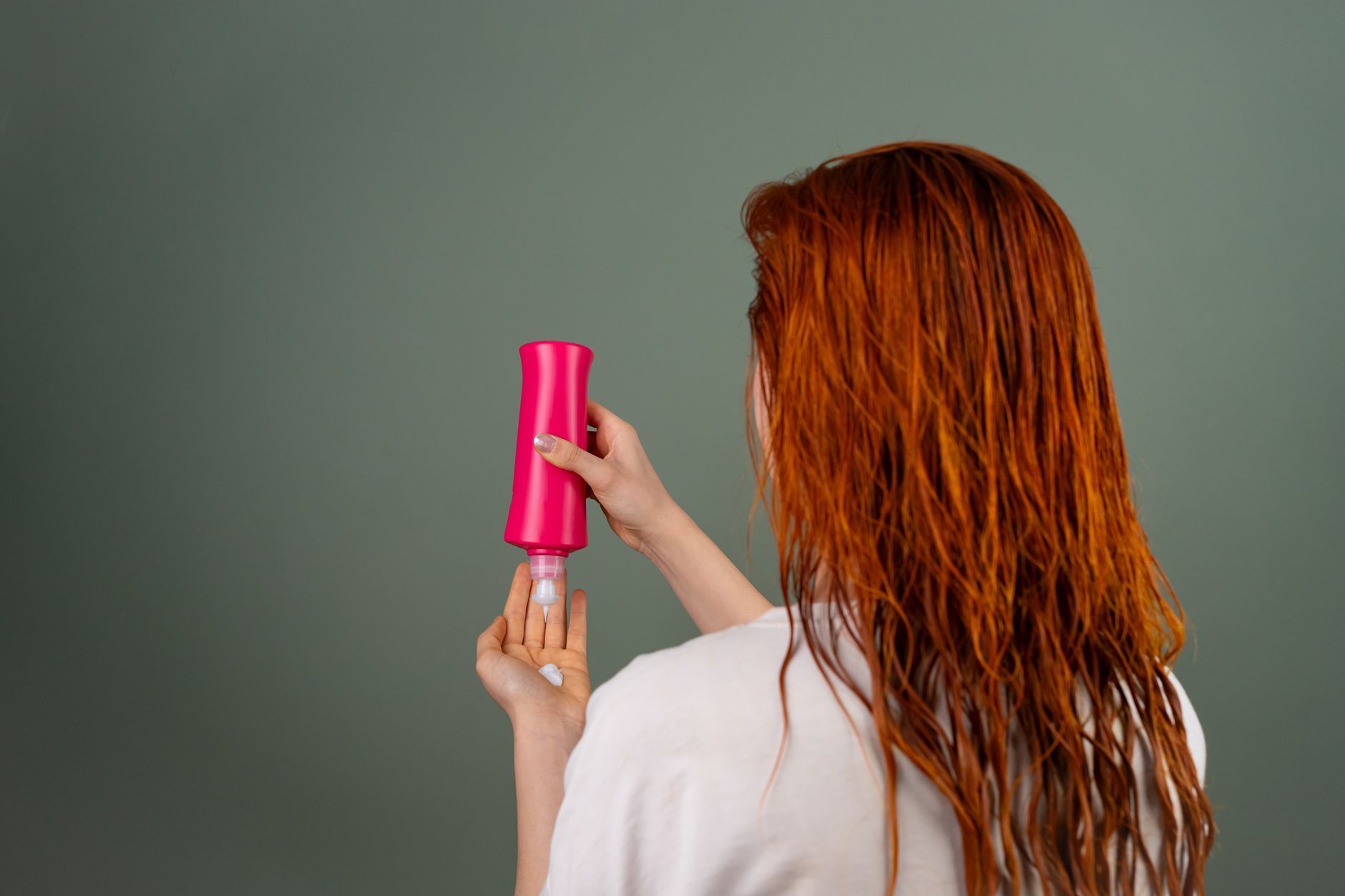
The best beauty tips for healthy, strong hair aren't complicated, but they do require consistency. Most hair damage doesn't happen in one dramatic event. It builds slowly: too much heat, too little moisture, the wrong brush at the wrong time. Getting hair to a genuinely strong, resilient state means addressing a few habits at once rather than chasing the latest treatment.
Start with your scalp, not your ends
Scalp health drives hair health. A congested or dry scalp produces weaker strands from the root, and no amount of conditioning at the ends will fix that upstream. Exfoliating the scalp once a week with a gentle scrub or a salicylic acid-based treatment clears product buildup and keeps follicles functioning properly.
Dry scalp and dandruff aren't the same thing. Dry scalp needs moisture; dandruff (seborrhoeic dermatitis) needs an antifungal active like zinc pyrithione or ketoconazole. Using the wrong product for the wrong condition makes both worse. Check which one you're dealing with before reaching for a specialist shampoo.
Scalp massage is genuinely useful. Studies have shown that consistent scalp massage increases strand thickness over time by stretching follicle cells. Five minutes while shampooing costs nothing.
Wash your hair correctly
Most people either overwash or underwash, and both cause problems. Washing daily strips natural sebum before it has time to condition the mid-lengths. Washing too infrequently lets oil, sweat, and product residue sit on the scalp and suffocate follicles. For most hair types, 2 to 3 washes per week is a workable baseline.
Shampoo belongs on the scalp, not the ends. Conditioner belongs on the mid-lengths and ends, not the roots. This distinction matters. Applying shampoo aggressively through the ends causes frizz and splits. Applying conditioner at the root weighs hair down and can worsen oiliness.
Water temperature is worth thinking about too. Hot water opens the cuticle and allows moisture to escape. A cool or lukewarm rinse at the end of a wash seals the cuticle flat, which is what gives hair its shine.
Protect hair before applying heat
Heat is the single biggest cause of structural damage for most people who style regularly. Temperatures above 180°C begin breaking down the disulfide bonds that give hair its strength. A quality heat protectant won't make high heat safe, but it does form a barrier that buys time and reduces moisture loss. Apply it to damp hair before blow-drying, not dry hair before straightening.
Keep the dryer moving. Holding a blow-dryer on one spot for more than a few seconds concentrates heat and scorches the cuticle. The same applies to flat irons: slow passes at high heat cause more damage than quicker passes at a moderate temperature.
Air-dry when you can. Even twice a week makes a real difference to the cumulative stress on your strands. If you do air-dry, don't wrap wet hair tightly in a towel. Wet hair is at its most elastic and most fragile. Squeeze with a microfibre towel instead of rubbing.
Choose ingredients that actually strengthen hair
The market is full of products promising transformation. A shorter list of ingredients has real evidence behind it.
- Keratin and hydrolysed keratin: replenishes the protein that makes up 95% of each strand. Useful for chemically treated or heat-damaged hair.
- Biotin (vitamin B7): supports the keratin infrastructure from within when taken as a supplement. Topical biotin has weaker evidence.
- Panthenol (provitamin B5): penetrates the cortex, attracts moisture, and adds elasticity. Found in many quality conditioners.
- Argan oil: rich in oleic acid and vitamin E. Smooths the cuticle and reduces frizz without heavy buildup.
Protein and moisture need to stay balanced. A hair strand that gets too much protein becomes brittle; one that gets too much moisture becomes limp and elastic. If your hair stretches a lot before snapping, it needs protein. If it snaps immediately with no stretch, it needs moisture.
Handle hair gently between washes
Brushing matters more than most people assume. A wide-tooth comb on wet hair, working from the ends upward, prevents the mechanical breakage that a paddle brush dragged root-to-tip causes. Detangle before shampooing if your hair tangles easily.
Tight hairstyles worn daily create traction alopecia over time. Ponytails and buns pulled taut at the same point every day stress the follicles at the hairline. Vary where you tie, use a silk scrunchie instead of a rubber band, and let hair down whenever you don't need it up.
Cotton pillowcases create friction during sleep. A silk or satin pillowcase lets hair slide rather than catching and roughing up the cuticle overnight. It's a small change with a noticeable effect on morning frizz and split ends over months.
Feed your hair from the inside
Hair is not a priority organ. When nutrition is limited, the body diverts resources to essential functions first, and hair growth slows or stops. Adequate protein intake (at least 50g daily for most adults), iron, zinc, and omega-3 fatty acids all support the hair growth cycle directly.
Sudden hair shedding that lasts more than 2 months is worth investigating with a GP. It's often tied to iron deficiency, thyroid dysfunction, or a hormonal shift. No topical product addresses those causes.
Staying hydrated keeps the scalp supple and the hair shaft less prone to dryness. Eight glasses a day is a rough guide, not a hard rule, but chronic dehydration shows up in hair before it shows up anywhere else.
Build habits, not a product collection
Strong, healthy hair comes from a short list of habits done consistently: protect before heat, condition without over-moisturising, handle gently, and keep the scalp clean. Products support those habits; they don't replace them.
If you're also thinking about 10 simple beauty tips everyone should know, the principle is the same across skin and hair: a small number of the right actions repeated reliably outperforms a complex routine abandoned after two weeks. And if your scalp tends toward dryness, some of the moisture-binding principles covered in keeping skin hydrated and glowing all day apply directly to scalp care too, particularly the role of humectants and barrier support.
Pick two or three changes from this list and hold them for 6 weeks before adding more. Hair grows roughly 1.25 cm per month, so real improvement takes time to become visible. Patience is part of the method.